
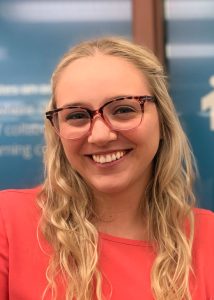
Pictured: Dr. Celisse Bibr
In November 2025, Inclusion Canada and People First of Canada hosted the 16th Annual National Policy Forum on Inclusion. The theme of the event was “What’s holding us back? The future of inclusive education in Canada”.
Over three days, advocates, families, researchers, and organizations from across the country came together to examine systemic barriers to inclusion in Canada and to highlight collaborative strategies for change. CanFASD was represented at the forum by Research Assistant, Dr. Celisse Bibr, who attended the event and contributed a recorded presentation focused on fetal alcohol spectrum disorder (FASD).
Education is a human right
Grounded in Article 24 of the United Nations Convention on the Rights of Persons with Disabilities, the forum examined barriers that prevent people with disabilities from accessing truly inclusive education at all levels. Through presentations, lived-experience stories, and research, participants explored how exclusion continues to show up in Canadian education systems and shared strategies for advancing inclusion through collaboration, advocacy, and policy change.
Across three sessions, speakers highlighted the impacts of partial-day schooling, the harms of seclusion and restraint, and the long-term benefits of inclusive education for individuals and communities. Self-advocates, families, educators, and researchers emphasized that exclusionary practices reflect system failures rather than individual shortcomings, and called for stronger policies, accountability, and resourcing to support inclusion.
It was both refreshing and frustrating to hear our calls to do better echoed by those in similar spaces. Individuals with FASD are far from the only people that would benefit from greater societal understanding that all behaviour is functional. The sentiments shared by Karla Verschoor, Executive Director of Inclusion BC (“Instead of asking ‘What’s wrong with this child?’, we should ask ‘What is this child trying to tell us?’”) are ones that reflect the fundamental shift in mindset that would result in inclusion for everyone.
Safety, belonging, and falling through the cracks
As part of the forum, Celisse contributed a recorded presentation titled “Safety, belonging, and falling through the cracks: How poverty and housing intersect for Canadians with fetal alcohol spectrum disorder”. It explored how housing insecurity and poverty significantly affect individuals with FASD, often compounding barriers already faced in education, employment, and health systems. Celisse emphasized the importance of safe, stable, and supportive living environments as a foundation for inclusion and well-being. Using four key domains – access, collaboration, individualization, and understanding – the presentation highlighted what is needed to develop housing options where individuals with FASD can thrive.
FASD-specific resources
Additional information and resources from the forum are available on the Inclusion Canada website. For those interested in exploring the themes discussed above through an FASD-specific lens, we have compiled a list of related resources to support continued learning and action:
- FASD From a Rights-Based Perspective: Unpacking the UNCRPD (webinar recording)
- FASD for School Staff Level II: Practical Strategies for the School Environment (online course)
- Co-Creating Housing Solutions: Enacting Opportunities for Individuals with Fetal Alcohol Spectrum Disorder (website)
Thank you to Inclusion Canada and People First of Canada for organizing such a timely, relevant, and informative event!