

Looking for books about Fetal Alcohol Spectrum Disorder (FASD)? CanFASD has launched a new webpage featuring a selection of books published from 2021 onward. The list brings together resources for people with FASD, caregivers, educators, families, and anyone interested in learning more about FASD. Whether you are looking for introductory information about FASD, resources to support children and adults, educational materials, or personal stories, … Read More
There Is Hope — If You Can Get the Diagnosis
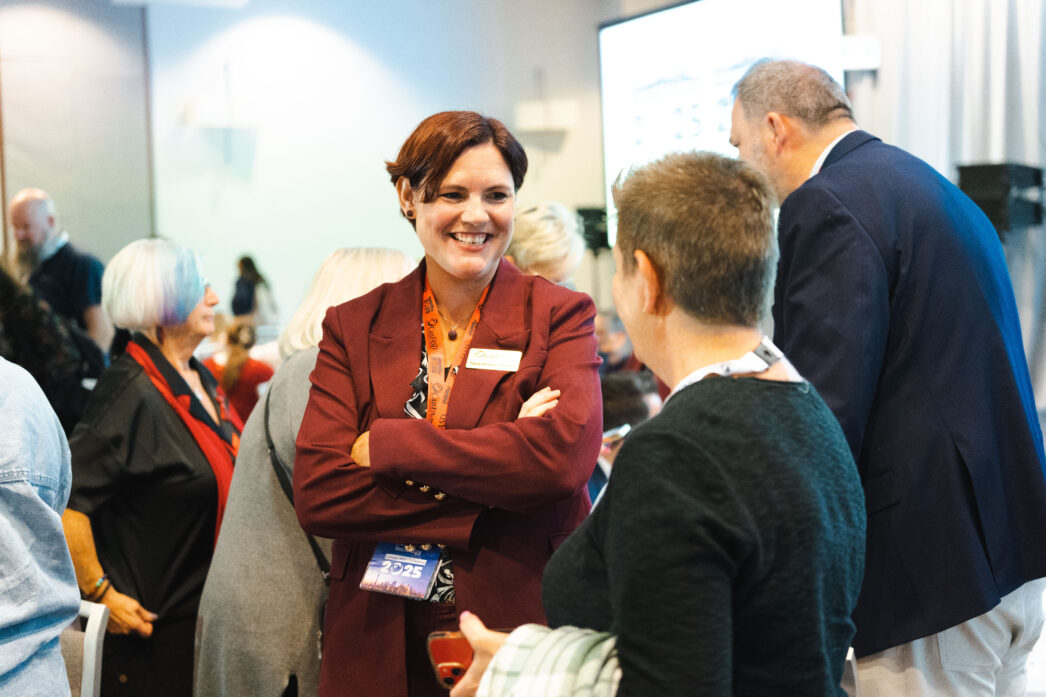
“What FASD families need is not less diagnoses, it’s more, with more diagnostic capacity, more FASD-informed clinicians and teachers, more research, more prevention and more supports.”
Announcing a new co-leadership for the future of FASD prevention in Canada
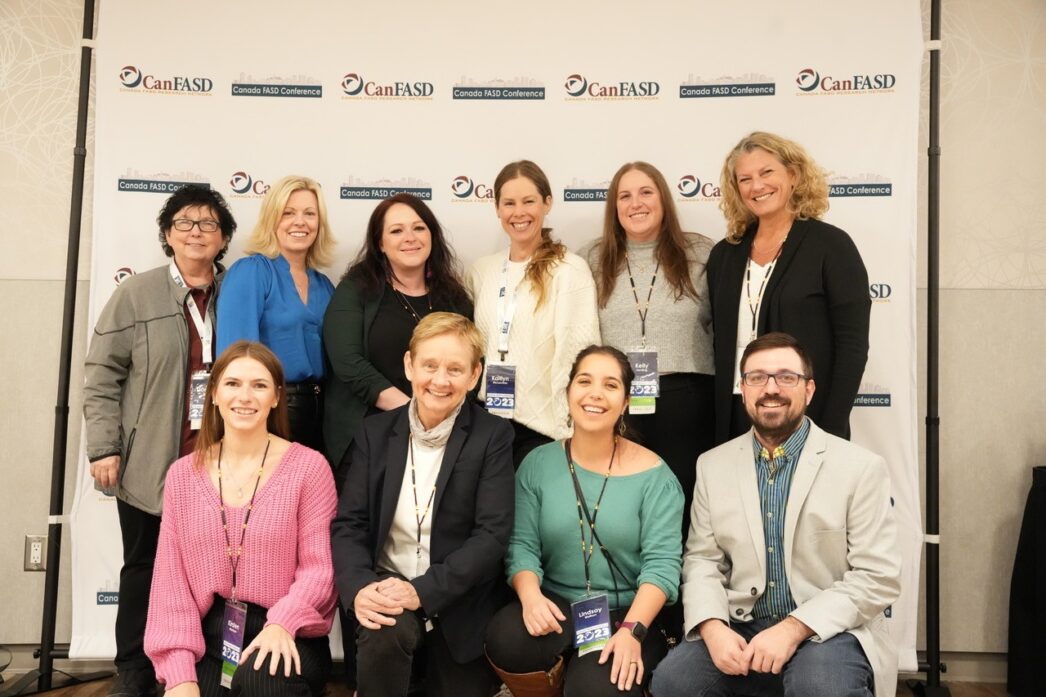
Dr. Kelly Harding will be joining Dr. Poole as Prevention Co-Lead and will be co-leading the pNAT.
The Canada FASD Research Network meets in Ottawa to develop strategic plan
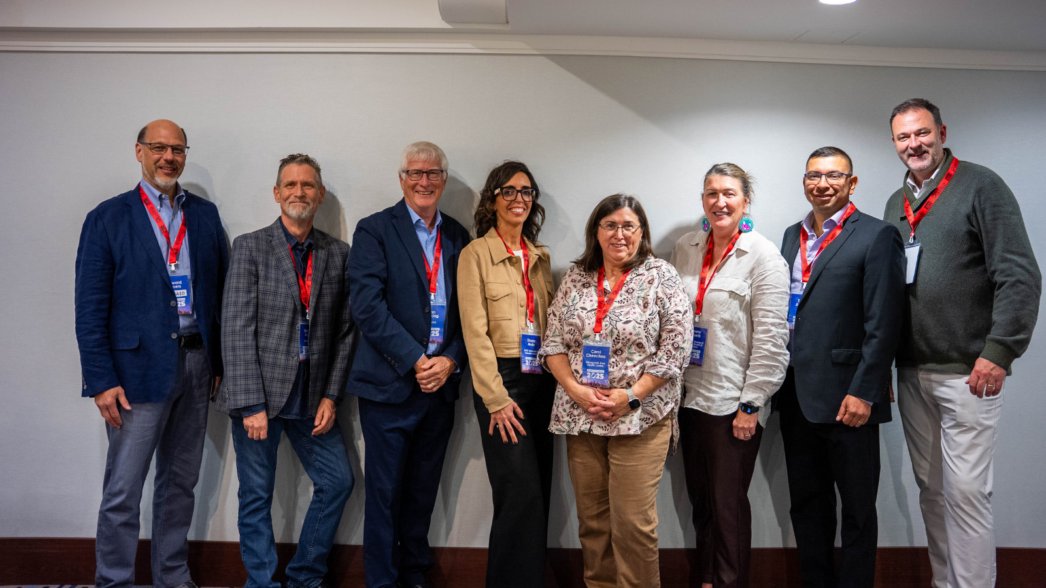
On October 6 and 7, the Canada FASD Research Network’s Board Members, Research Leads and staff will come together in Ottawa.
Establishing a National FASD Indigenous Framework in Canada
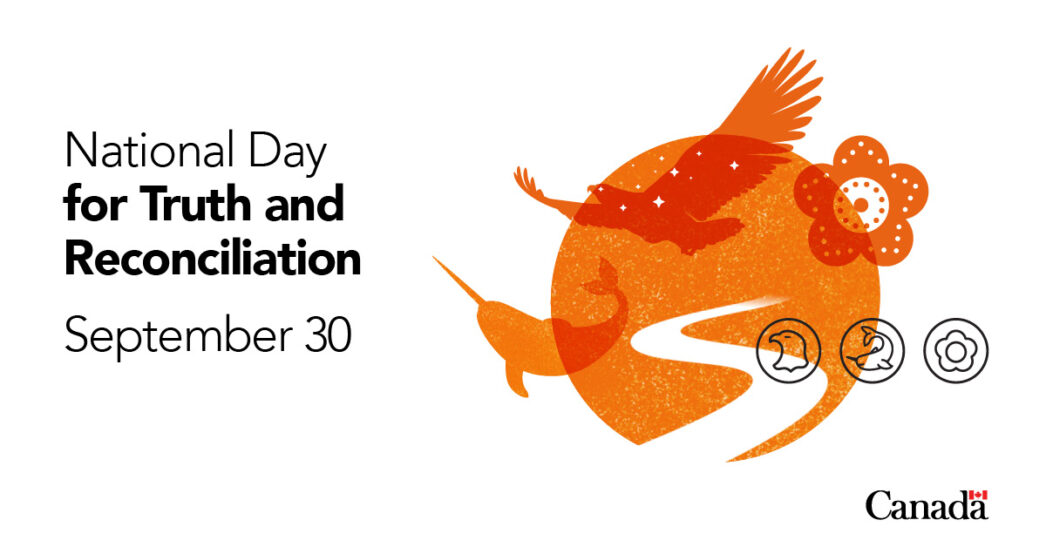
The impacts of historical and ongoing colonization shape both the prevalence of FASD and how it is managed among Indigenous children and families.
Our 2026 Art Competition is now open!

We are now accepting submissions for our 2026 CanFASD Art Competition!
Exploring the four levels of FASD prevention
Canadian prevention specialists have identified four mutually reinforcing levels of FASD prevention.
How is fetal alcohol spectrum disorder (FASD) diagnosed?
An FASD diagnosis is a comprehensive, multidisciplinary process.
Everything you need to know about FASD interventions
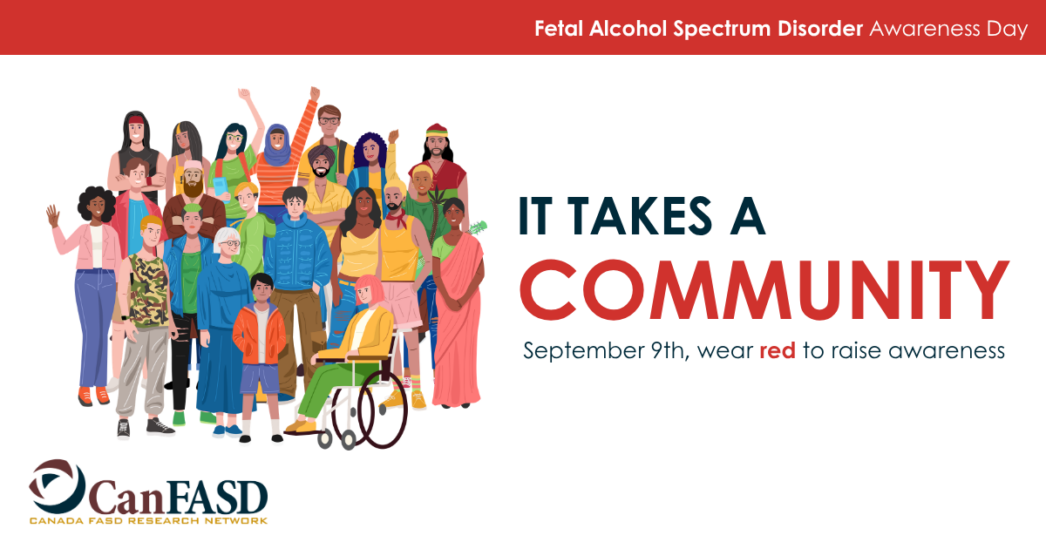
An intervention is a strategy we put in place to help meet a specific goal or to address a challenge.
From Framework to Action: How Towards Healthy Outcomes Is Being Put into Practice
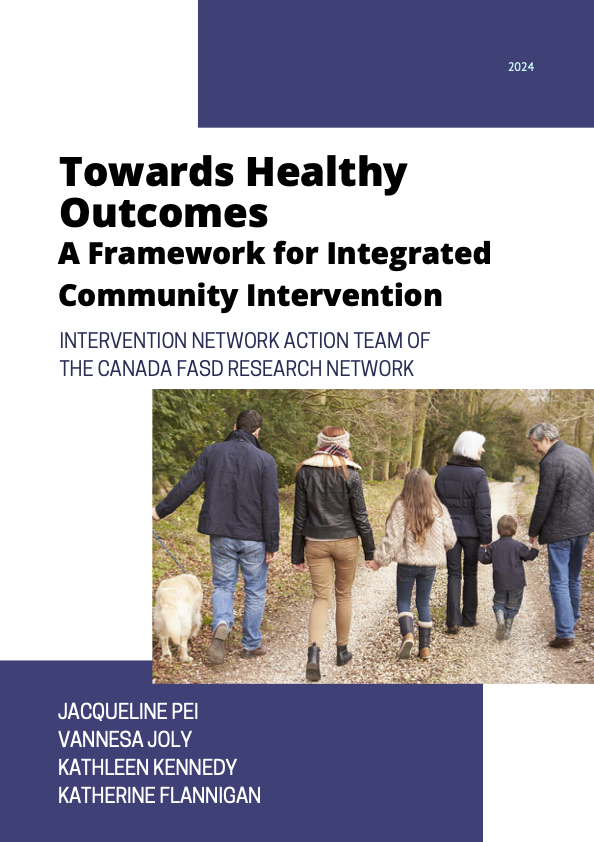
Across Canada and beyond, people are using THO to guide services, interventions, and policy for people with FASD.