

Together Finding Answers Improving Outcomes.

FacebookXLinkedInYouTubeRSS
CanFASD
Navigation
  • About CanFASD
    • About Us
      • Strategic Plan (English)
      • Plan Des Priorités Stratégiques (Français)
      • Annual Reports
    • Our Team
      • Board of Directors
      • Staff
      • Research Leads
      • CanFASD Trainees
    • Contact Us
    • Membership
    • Join Us
    • Partners
      • Canada Northwest FASD Partnership
  • FASD
    • What is FASD?
    • Frequently Asked Questions (FAQs)
    • Language Matters
    • FASD Across Canada
  • Research
    • Research Priorities
      • Prevention
      • Diagnosis
      • Intervention
      • Justice
      • Child Welfare
    • Current Projects
    • Research & Travel Awards
    • Issue Papers
    • Top Articles
    • Calls to Research
  • Tools & Resources
    • Diagnostic Guidelines
    • Mental Health Guide
    • Medication Algorithm
    • Towards Healthy Outcomes
    • National FASD Database
    • Indigenous Resources
  • Living Experience
    • Family Advisory Committee (FAC)
    • FAC Members
    • Adult FASD Expert Collaboration Team (AFECT)
    • Information for Families
    • Information for Individuals with FASD
    • Lived Experience Leadership Fund (LELF)
  • News & Events
    • News Releases
    • Canada FASD Conference
      • Film Festival
    • Campaigns
      • FASD Awareness Month
      • National FASD Framework
      • 12 Days of Mocktails
      • Elections
      • Think FASD
    • Webinars
    • CanFASD Blog
  • Donate
  • Online Courses
    • COURSE LOGIN
    • Level I
    • Level II
    • Level III
    • Other Online Learning Resources
  • Search
  • About CanFASD
    • About Us
      • Strategic Plan (English)
      • Plan Des Priorités Stratégiques (Français)
      • Annual Reports
    • Our Team
      • Board of Directors
      • Staff
      • Research Leads
      • CanFASD Trainees
    • Contact Us
    • Membership
    • Join Us
    • Partners
      • Canada Northwest FASD Partnership
  • FASD
    • What is FASD?
    • Frequently Asked Questions (FAQs)
    • Language Matters
    • FASD Across Canada
  • Research
    • Research Priorities
      • Prevention
      • Diagnosis
      • Intervention
      • Justice
      • Child Welfare
    • Current Projects
    • Research & Travel Awards
    • Issue Papers
    • Top Articles
    • Calls to Research
  • Tools & Resources
    • Diagnostic Guidelines
    • Mental Health Guide
    • Medication Algorithm
    • Towards Healthy Outcomes
    • National FASD Database
    • Indigenous Resources
  • Living Experience
    • Family Advisory Committee (FAC)
    • FAC Members
    • Adult FASD Expert Collaboration Team (AFECT)
    • Information for Families
    • Information for Individuals with FASD
    • Lived Experience Leadership Fund (LELF)
  • News & Events
    • News Releases
    • Canada FASD Conference
      • Film Festival
    • Campaigns
      • FASD Awareness Month
      • National FASD Framework
      • 12 Days of Mocktails
      • Elections
      • Think FASD
    • Webinars
    • CanFASD Blog
  • Donate
  • Online Courses
    • COURSE LOGIN
    • Level I
    • Level II
    • Level III
    • Other Online Learning Resources
  • Search

Tag Archive

Home Blog Research

Article Summary #7: Self-Regulation Strategies in Adolescents with FASD

canfasdblogOctober 27, 2021UncategorizedLeave a Comment

The goal of the study was to explore the use of self-regulation strategies in adolescents with FASD. To do this, researchers recruited 27 adolescents between the ages of 11-17 through local FASD clinics in Edmonton and Vancouver and used a modified version of the Alert Program to teach adolescents about self-regulation strategies.

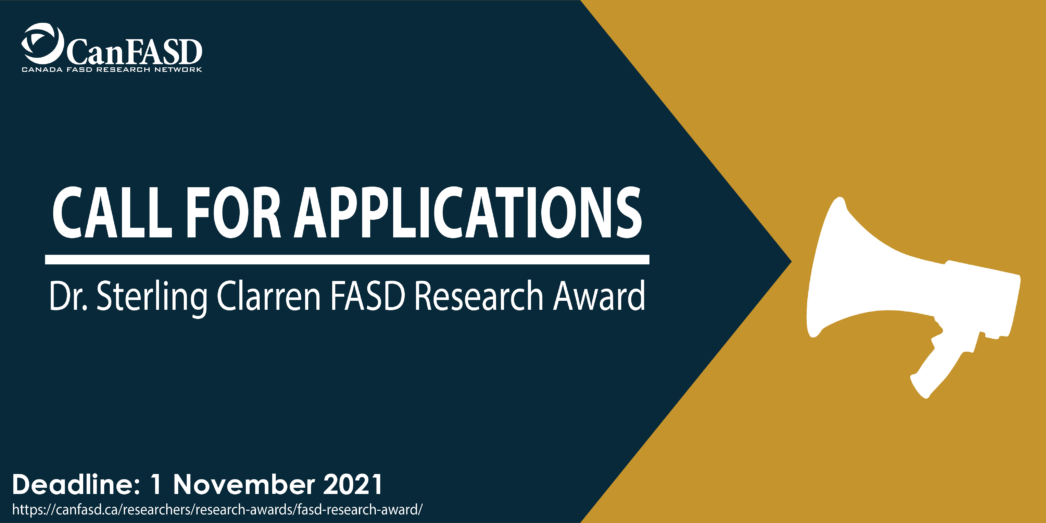
Applications for the 2022 Dr. Sterling Clarren Award Now Open
canfasdblogSeptember 24, 2021UncategorizedLeave a Comment

The Canada FASD Research Network is excited to announce that we are now accepting applications for the 2022 Dr. Sterling Clarren FASD Research Award!

Prenatal Alcohol Exposure, Brain Development, and Mental Health

canfasdblogJuly 9, 2021Guest BloggersLeave a Comment

Help us understand the brain in capital, bold letters on purple background with gears turning in a red brain.

Mental health challenges are common in children, youth, and adults with prenatal alcohol exposure (PAE). If these challenges are not treated, they can persist for many years. Many mental health problems first emerge in adolescence, but we don’t know a lot about exactly how and when mental health problems begin for people with PAE.   

Volunteers Needed for a Research Study on Substance Use and Addiction

canfasdblogJuly 2, 2021CanFASD Research and PublicationsLeave a Comment

Different multicoloured hands raised to volunteer.

The University of Alberta is currently conducting a research study on substance use and addiction treatment for adults who have or may have Fetal Alcohol Spectrum Disorder (FASD).  

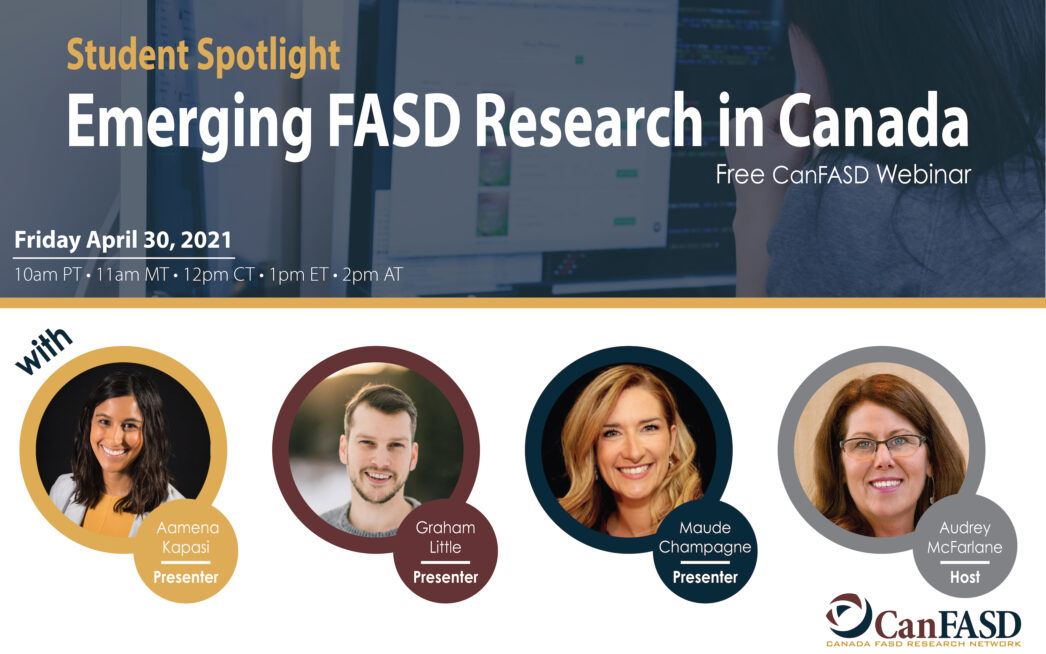
New Webinar: Emerging FASD Research in Canada
canfasdblogApril 26, 2021Conferences and EventsLeave a Comment

From the stresses of COVID-19 on individuals with FASD and their families to ground-breaking brain imaging findings to hopeful interventions for motivation and self-regulation, this webinar has something for everyone from all backgrounds.

Article Summary: Self Care for Caregivers

canfasdblogApril 14, 2021Article SummariesLeave a Comment

Finding stress management techniques for caregivers of children with FASD is very important. Self-care is an important resource to improve caregiver physical and mental health.

Announcing the 2021 Sterling Clarren Award recipient!

canfasdblogFebruary 24, 2021CanFASD AnnouncementsLeave a Comment

We are excited to announce that this year’s recipient for the Dr. Sterling Clarren FASD Research Award is Dr. Brianne Redquest for her research on understanding and reducing stress in caregivers of individuals with FASD.

Top FASD Research Articles of 2020

canfasdblogFebruary 17, 2021CanFASD Research and PublicationsLeave a Comment

Every January CanFASD does a literature search for research that was published within the previous year. This year the search revealed over 400 articles published on FASD in 2020.

Article Summary #17: Review of Transition Planning Tools for Youth with FASD

canfasdblogJanuary 28, 2021Article SummariesLeave a Comment

The researchers of this study reviewed the literature on transition planning processes for youth with FASD across Canada to determine the strengths and challenges of the existing tools and provide some recommendations for families to successfully navigate the transition from youth to adulthood.

Article Summary #15: Prenatal care of women who give birth to children with FASD

canfasdblogJanuary 26, 2021Article SummariesLeave a Comment

Documenting if women who gave birth to children with FASD had access to adequate prenatal health care is the first step in understanding the role that these services play in helping to reduce prenatal alcohol exposure. However, few studies have investigated the rates of prenatal care use by women who have given birth to children with FASD.

  • Page 5 of 10
  • ←
  • 1
  • ...
  • 4
  • 5
  • 6
  • ...
  • 10
  • →

Categories

  • Article Summaries
  • Basic Information
  • CanFASD Announcements
  • CanFASD Research and Publications
  • Conferences and Events
  • Diagnosis
  • Education
  • Family Advisory Committee
  • Feature Fridays
  • Guest Bloggers
  • Holidays and Events
  • Housing & Homelessness
  • Interventions
  • Justice
  • Mental Health
  • News
  • News & Media
  • Policy
  • Prevalence
  • Prevention
  • Publications
  • Sexuality
  • Spotlight on FASD Service Providers
  • Student Spotlight
  • Trainee Program
  • Uncategorized

Archives

  • August 2026
  • July 2026
  • June 2026
  • May 2026
  • April 2026
  • March 2026
  • February 2026
  • January 2026
  • December 2025
  • November 2025
  • October 2025
  • September 2025
  • August 2025
  • July 2025
  • June 2025
  • May 2025
  • April 2025
  • March 2025
  • February 2025
  • January 2025
  • December 2024
  • November 2024
  • October 2024
  • September 2024
  • August 2024
  • July 2024
  • June 2024
  • May 2024
  • April 2024
  • March 2024
  • February 2024
  • January 2024
  • December 2023
  • November 2023
  • October 2023
  • September 2023
  • August 2023
  • July 2023
  • June 2023
  • May 2023
  • April 2023
  • March 2023
  • February 2023
  • January 2023
  • December 2022
  • November 2022
  • October 2022
  • September 2022
  • August 2022
  • July 2022
  • June 2022
  • May 2022
  • April 2022
  • March 2022
  • February 2022
  • January 2022
  • December 2021
  • November 2021
  • October 2021
  • September 2021
  • August 2021
  • July 2021
  • June 2021
  • May 2021
  • April 2021
  • March 2021
  • February 2021
  • January 2021
  • December 2020
  • November 2020
  • October 2020
  • September 2020
  • August 2020
  • July 2020
  • June 2020
  • May 2020
  • April 2020
  • March 2020
  • February 2020
  • January 2020
  • December 2019
  • November 2019
  • October 2019
  • September 2019
  • August 2019
  • July 2019
  • June 2019
  • May 2019
  • April 2019
  • March 2019
  • February 2019
  • January 2019
  • December 2018
  • November 2018
  • October 2018
  • September 2018
  • August 2018
  • July 2018
  • June 2018
  • May 2018
  • April 2018
  • March 2018
  • February 2018
  • January 2018
  • October 2017
  • September 2017
  • August 2017
  • July 2017
  • June 2017
  • May 2017
  • April 2017
  • March 2017
  • February 2017
  • September 2016
  • August 2016
  • May 2016
  • March 2016
  • December 2015
  • November 2015
FacebookXLinkedInYouTubeRSS
  • About CanFASD
  • FASD
  • Research
  • Tools & Resources
  • Living Experience
  • News & Events
  • Donate
  • Online Courses

As a national research network, CanFASD acknowledges the harms done to Indigenous Peoples and are committed to learning from the past.
We pledge to promote healing and resilience as we move forward in allyship with First Nations, Inuit and Métis Peoples in pursuit of reconciliation.
We acknowledge the lands that we live and work on as the traditional territories of First Nations, Inuit and Métis Peoples.