

This blog was written by Angela Kemble.
Alberta’s Willow Winds Support Network (WWSN) is expanding access to a prevention program helping reduce the risk of sexual exploitation and human trafficking among young people and other vulnerable populations.
The initiative, Not a Number, trains organizations that support people with FASD, other brain-based disabilities, Indigenous communities, newcomers and immigrants, and other youth at increased risk across Western Canada, Ontario, and the three territories.
About the program
Not a Number is a five-module prevention program that helps participants recognize the warning signs of sexual exploitation and human trafficking before harm occurs. Through engaging activities and practical discussions, participants learn about healthy relationships, consent, online safety, personal boundaries, grooming behaviours, and where to seek help.
Not a Number offers a three-day workshop to train the trainer, certifying facilitators that can carry out the five-module program with their clients. Participating organizations learn how to become safe and helpful places to talk about and support people who have experienced or are at risk of experiencing sexual exploitation and human trafficking. WWSN has already trained 25 facilitators in Alberta, five in Saskatchewan and nine in Manitoba.
Why this matters for people with FASD
Research suggests that individuals with FASD may be at greater risk of being targeted for sexual exploitation and human trafficking. Differences in brain development can affect areas such as judgment, impulse control, understanding consequences, social communication, memory, and recognizing manipulation. Many individuals with FASD also have a strong desire for friendship, acceptance, and belonging, which traffickers and exploiters may intentionally manipulate.
Prevention education is important because it provides practical knowledge and strategies before exploitation occurs. Service providers, educators, caregivers, and community organizations can better recognize warning signs and create environments where people feel safe seeking help.
How to get involved
WWSN is hosting Train-the-Trainer workshops for Not a Number later this year. These three-day training courses certify participants to deliver the program within their organizations. The workshop includes ongoing support from the program developers and access to WWSN’s quarterly Community of Practice meetings to share experiences, resources, and best practices.
For more information and to register for a training close to you please go to the following links:
- Vancouver, British Columbia – October 19-21, 2026
- Vancouver, British Columbia – October 21-23, 2026
- St Albert, Alberta – December 2-4, 2026
- Toronto, Ontario – February 1-3, 2026
- Toronto, Ontario – February 3-5, 2026
Further information
Find out more about FASD and human trafficking in CanFASD’s gap analysis paper.
If you or someone you know might be a victim of human trafficking, please contact the Canadian Human Trafficking Hotline.
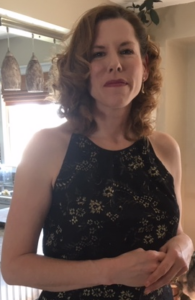

Trained in Motivational Interviewing, Edu-Grief Therapy, Emotional Quotient, Meyers Briggs, Rainbow Ready, GBA+, working with Immigrants and New Canadians, and annual Cultural Sensitivity she is a presenter at conferences and provides FASD and Brain Domain Challenge education and training to professionals, support workers, families and communities. With an adult daughter with Autism she is passionate about supporting individuals on their journey toward autonomy, success and happiness. A big believer in collaboration she has facilitated active partnerships with many organizations from all levels in the network region, Edmonton, Calgary, Saskatchewan, Manitoba and across Alberta. Angela lives in St Albert with her husband, two daughters, two dogs, two cats and eight birds.