


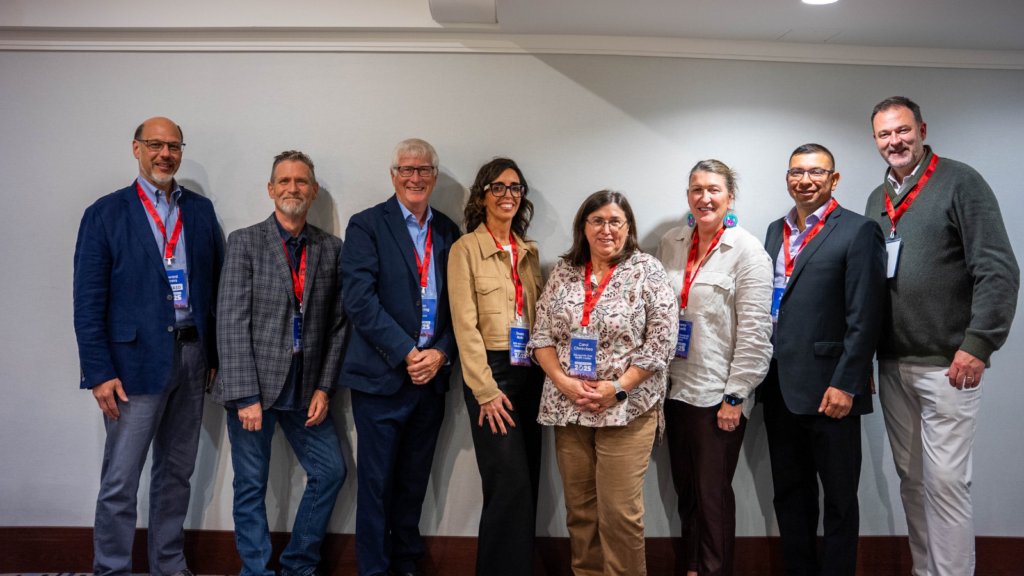
On October 6 and 7, the Canada FASD Research Network’s Board Members, Research Leads and staff will come together in Ottawa to begin conversations about our strategic priorities for the next three years. Together, we will reflect on our current priorities, consider how the FASD landscape has changed, and explore where CanFASD can have the greatest impact in the years ahead.
A significant time for FASD in Canada
An estimated 4% of Canadians have FASD – more than autism, cerebral palsy, and Down syndrome combined. Despite its prevalence, FASD remains widely misunderstood and under supported. Our meetings come at an important time for FASD policy and systems work in Canada.
Bill S-234 passed second reading in 2025 and is currently being considered by a Senate committee. If passed, the bill would require the Minister of Health to develop a national framework for FASD. This evolving policy environment is one of the reasons it is important to step back and consider how CanFASD can continue contributing research, knowledge and collaboration in the years ahead.
Our current strategic priorities
CanFASD’s current Strategic Priorities Plan covers 2024–2027 and focuses on several key areas. These include strengthening FASD research and knowledge, influencing policy, and supporting progress toward a National Framework for FASD. The plan also focuses on building awareness and understanding of FASD among professionals and the broader public. In addition, CanFASD is working to strengthen partnerships and membership, support reconciliation and Indigenous-led FASD initiatives, and build relationships with professional regulatory bodies. The priorities also recognize the importance of equity, diverse communities, sustainable funding and increasing capacity to work in both official languages.
Since the current plan was developed, the FASD landscape has continued to evolve. Research is advancing, new partnerships are developing and policy conversations are changing. At the same time, people with FASD, families, service providers, researchers and governments continue to identify new needs and opportunities.
The first step
Our Ottawa meetings are the beginning of a broader strategic planning process. We know that CanFASD’s work is connected to a much broader community. As the planning process progresses, we may be reaching out to some of our interest holders too.
Strategic planning is an exciting opportunity to look at the bigger picture and think carefully about how CanFASD can contribute to better outcomes for people with living experience of FASD and the professionals and systems that support them.